
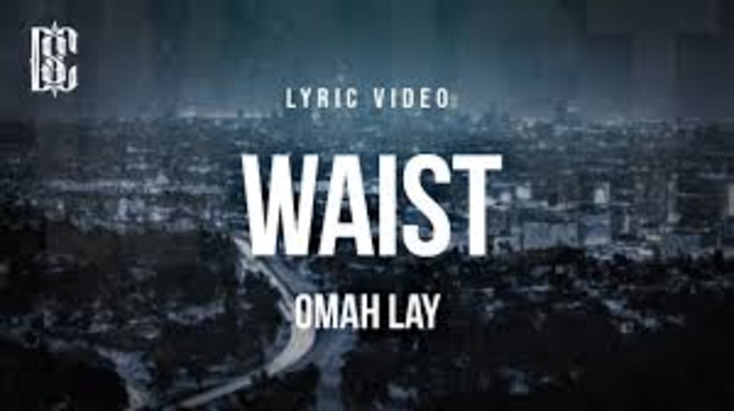
Nigerian singer and songwriter Omah Lay is known for his ability to blur the lines between vulnerability, excess, and emotional honesty. With “Waist,” he leans into a more provocative and carefree soundscape, delivering a record that thrives on rhythm, repetition, and raw impulse. While the song appears playful on the surface, it reflects deeper themes of indulgence, distraction, and inner conflict that have become recurring elements in Omah Lay’s artistry.
Since its release, “Waist” has sparked mixed but highly engaged reactions across social media, with fans praising its groove and boldness while others debate its lyrical direction.
Theme and Direction of the Song
At its core, “Waist” revolves around desire, excess, and momentary pleasure. The song is intentionally repetitive and chant-like, placing emphasis on mood rather than storytelling. Omah Lay adopts a stream-of-consciousness approach, allowing impulses, thoughts, and emotions to flow freely over the production.
On platforms like X (formerly Twitter), TikTok, and Instagram, listeners have described the track as “wild,” “hypnotic,” and “very Omah Lay,” noting that it fits his reputation for emotionally unfiltered music.
Lyrics Breakdown and Interpretation
“Hm hmm hmmm
Hm hmm hmmm
Carry for waist waist”
The song opens with humming and repetition, setting a trance-like atmosphere. This intro prioritizes rhythm and vibe over clarity, immediately signaling that the song is driven by feeling rather than structure.
“Carry for waist waist
Jesu jesu”
The recurring phrase becomes the song’s central hook. “Carry for waist” is a colloquial expression referencing physical attraction, while the repeated religious exclamation adds irony, suggesting internal conflict between desire and restraint.
“One day for the thief
Every other day for me
I go smoke chimney
Drink oshimiri”
Here, Omah Lay shifts briefly into self-reflection and indulgence. He references excess and lifestyle habits, portraying a character who feels entitled to enjoyment after hardship. Some fans online interpret this as commentary on escapism.
“Egigiji gigiji gigiji gigiji
Yes o I put CBD
E dey relax body
Peace and harmony”
These lines emphasize relaxation and altered states of mind. Rather than glorifying chaos, Omah Lay frames indulgence as a coping mechanism, a theme that recurs across his discography.
“Money long oh money long oh money long oh”
This line reinforces financial success and freedom. However, its repetitive delivery makes it feel more like reassurance than bragging. Social media reactions suggest listeners see this as Omah Lay affirming control amid excess.
“Mili mili mili mili mi
Wetin I dey use money for
All of una no serious”
Here, he dismisses public scrutiny and questions about his lifestyle. The lyric reflects a defensive tone, highlighting how fame invites constant judgment.
“How much for my Louis V socks
170 mili mili”
Luxury references appear briefly, reinforcing wealth imagery. Rather than lingering on materialism, Omah Lay treats it casually, almost dismissively.
“The dada wey dey my head oh
Scatter my enemies
Confuse them with little things”
This section introduces a spiritual dimension. The reference to his hair and enemies suggests protection, identity, and defiance. Fans have pointed out how Omah Lay often blends spirituality with rebellion.
“I’m making wrong decisions
Anytime I see ikebe”
One of the song’s most talked-about lines, this lyric openly admits impulsiveness. Instead of glorifying desire, Omah Lay frames it as a weakness, adding honesty to an otherwise playful track.
“Na 2 people something she carry for waist waist”
This exaggerative line reinforces the song’s central attraction theme. While humorous in delivery, it has driven much of the song’s virality, especially on TikTok, where fans recreate the hook.
“Me I no dey gree play with my money
I want to romance your body”
Here, confidence and desire intersect. Omah Lay portrays control over finances while surrendering emotionally and physically, reflecting contradiction—a recurring theme in his music.
“Wetin kill Samson na still ikebe”
This biblical reference connects desire with downfall, reinforcing the song’s underlying tension. Many listeners have praised this line for cleverly tying temptation to consequence.
Overall Reception
Audience reactions to “Waist” have been polarizing but intense. While some fans celebrate its boldness and rhythm, others critique its explicit focus. Still, engagement remains high, with the song gaining traction for its quotable lines and hypnotic delivery.
Final Thoughts
“Waist” by Omah Lay is not designed to be subtle or conventional. It is a mood-driven record that captures indulgence, temptation, and self-awareness in equal measure. Through repetition, cultural references, and emotional honesty, Omah Lay delivers a track that reflects both freedom and internal conflict. Its reception across social media confirms its impact as a conversation-starting entry in his evolving catalog.
Related Post:
Game Changing Analysis of “Balling” by 2Baba
Lalala-Young John
Adekunle Gold “Big Fish” Lyric Review: From Hustle to High Tides
Added by
LyricsSphere
WRITE A COMMENT
You must be logged in to post a comment.
WRITE A COMMENT
You must be logged in to post a comment.
No comments yet